The kitchen is often referred to as the heart of the home, and it’s no surprise. It’s where meals are prepared, family gatherings take place, and countless memories are made. One of the key factors that influence the overall vibe of a kitchen is the design and materials of its cupboards and countertops. These elements are pivotal in the functionality and aesthetic appeal of the space. When done right, they can completely transform a kitchen, enhancing its visual appeal, comfort, and efficiency.
This article explores how kitchen cupboards and countertops change the atmosphere of the kitchen. From influencing the overall design scheme to affecting the kitchen’s mood and usability, these components are essential in creating a stylish and functional space.
The Role of Kitchen Cupboards in Shaping the Kitchen’s Atmosphere
Functionality Meets Design
Kitchen cupboards are often the most prominent feature in a kitchen. Whether they are overhead cabinets, lower-base cabinets, or pantry storage, they dictate how the kitchen functions daily. These cupboards’ layout, size, and material contribute directly to the overall atmosphere.
- Storage and Organisation: Well-designed cupboards allow for better storage and organisation, which reduces clutter and creates a more serene and organised atmosphere. A disorganised kitchen can feel chaotic and stressful, whereas a neat, orderly kitchen invites calm and tranquillity.
- Design Style: The material and style of the cupboards can immediately change the tone of the kitchen. For example, sleek, modern cabinetry with clean lines gives a minimalist and contemporary look, while vintage wooden cupboards lend a more rustic or farmhouse feel. Whether you go for dark wood, white shaker-style cabinets, or bright colours, the choice of cupboard design reflects your personal style and can either warm up a room or give it a cool, contemporary feel.
Visual Impact
The colour and design of your kitchen cupboards can either complement or contrast with the rest of the kitchen. Lighter tones like whites and pastels can make a kitchen feel larger and brighter, while darker colours like navy or charcoal can add richness and sophistication. Natural wood finishes create warmth and texture for a more dramatic or traditional effect, helping the kitchen feel cosy and inviting.
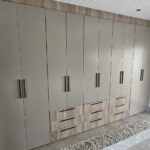
Additionally, the placement of cupboards—whether they are floor-to-ceiling or in a more modular, accessible configuration—can determine how open or closed off the space feels. Open shelving allows for visibility and can contribute to a more casual, homey vibe, whereas full cabinetry hides clutter and gives the space a more polished, uniform look.
How Countertops Influence the Kitchen’s Atmosphere
Materials and Durability
Countertops are a central functional element of the kitchen and a key design feature. The material of the countertops can completely alter the kitchen’s atmosphere. Popular materials such as granite, marble, quartz, and butcher block all have unique properties that contribute to the mood and usability of the space.
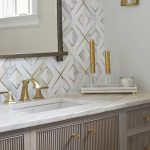
- Granite and Marble: These natural stones evoke a sense of luxury and timeless beauty. With its unique veining, a marble countertop creates an elegant, sophisticated atmosphere, while granite adds durability and a high-end feel.
- Quartz and Engineered Stones: Known for their durability and versatility, quartz countertops often offer a sleek, modern finish. These engineered surfaces come in a variety of colours and patterns, allowing you to tailor the look of your kitchen to your specific tastes.
- Butcher Block and Wood Finishes: Wooden countertops, such as butcher blocks, add a warm, rustic charm to the kitchen, making it feel more inviting and cosier. Wood has a tactile, organic quality that contrasts beautifully with sleek, modern appliances or tiles.
Functionality and Usability
Countertops play a critical role in the kitchen’s everyday functioning. The amount of counter space available affects your ability to work comfortably, and a kitchen with ample counter space tends to feel more open and less crowded. In contrast, limited countertop space can make the kitchen feel cramped or inefficient, even if the cabinets offer plenty of storage.
The layout of the countertops—whether they are an island, peninsula, or an L-shape—also plays a big role in the kitchen’s atmosphere. An island countertop, for example, encourages social interaction and becomes the focal point of the kitchen, promoting a casual, gathering space. In contrast, a more traditional countertop layout may create more distinct cooking and prepping zones, emphasising functionality and orderliness.
Colour, Texture, and Mood: How Cupboards and Counters Affect the Kitchen’s Energy
The combination of kitchen cupboards and countertops provides an opportunity to create a specific mood. The colour scheme plays a huge role in this. Lighter shades of white, cream, or light grey evoke feelings of cleanliness, freshness, and openness. These hues often help smaller kitchens feel more expansive and brighter, making them ideal for spaces with limited natural light.
Darker shades, such as navy, charcoal, or espresso, add depth and elegance to a kitchen, creating a more intimate or dramatic ambience. These colours work well in larger kitchens, where they help ground the space and provide a sense of cosiness.
In terms of texture, shiny surfaces, such as glossy countertops and polished cabinets, reflect light and can help create a more modern, energetic atmosphere. Matte finishes, on the other hand, lend a more subdued, relaxed vibe that can contribute to a quieter, more peaceful kitchen environment.
The Influence of Kitchen Cupboards and Countertops on Overall Design Cohesion
Kitchen cupboards and countertops are central to establishing a cohesive design style throughout the space. When these two components align well with the rest of the kitchen’s features—such as the backsplash, flooring, and lighting—they create a unified atmosphere that feels both intentional and comfortable.
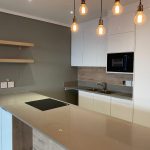
Open shelving with minimalistic cabinetry can support a more industrial or contemporary kitchen design, while classic cabinetry paired with elegant countertops may give a traditional kitchen an air of sophistication. By carefully choosing colours, materials, and finishes for your cupboards and countertops, you can create a harmonious design that elevates the kitchen’s overall vibe.
Frequently Asked Questions (FAQs) about Kitchen Cupboards and Countertops
What are the best materials for kitchen cupboards and countertops?
The best kitchen cupboards and countertop materials depend on your style, budget, and usage needs. Popular materials for cupboards include wood, MDF, and laminate, while solid wood is a classic, durable option. Granite, quartz, marble, and butcher block are all great choices for countertops. Granite and quartz are durable and easy to maintain, while marble offers elegance, and butcher block provides warmth.
How can I choose the right colour for my kitchen cupboards and countertops?
Consider the overall ambience you want to create. Light colours like white and grey brighten up the kitchen and give it a modern, fresh feel. Darker tones like navy or charcoal add sophistication and create a more intimate atmosphere. A balance between light and dark elements can create a beautiful contrast while maintaining cohesion in the space.
Are open kitchen cupboards a good idea?
Open cupboards can give the kitchen a more airy, relaxed feel, but they do require more effort to keep organised. If you enjoy having your kitchenware easily accessible and are comfortable with occasional clutter, open shelving may be a great option. However, if you prefer a more polished, minimalist look, closed cupboards may be a better choice.
How do I maintain my kitchen cupboards and countertops?
Proper maintenance depends on the material of your kitchen cupboards and countertops. Regular cleaning with a gentle cleaner and occasional waxing or oiling for wooden cupboards will keep the wood in top shape. For countertops, avoid harsh chemicals and always clean spills promptly, especially for natural stones like granite and marble. Use cutting boards to avoid damaging surfaces, especially on wood or softer countertops.
Can I mix different materials for my cupboards and countertops?
Yes, mixing materials can create an interesting and personalised look. For example, pairing sleek, modern cabinets with natural stone countertops or combining wood cupboards with a marble countertop can add texture and contrast. Just be sure to keep the overall colour scheme in mind to ensure the materials complement each other.
Ready to Get Custom-Designed Kitchen Cupboards and Countertops?
Kitchen cupboards and countertops are far more than just functional components of your kitchen. They significantly influence the atmosphere of the space, shaping not only its aesthetic appeal but also its usability. The right combination can make a kitchen feel warm, welcoming, organised, and even luxurious. Whether you’re aiming for a sleek, modern look or a rustic, cosy feel, these elements have the power to transform your kitchen into a space that truly feels like the heart of your home.Gateway Kitchens can help you design the kitchen cupboards and countertops of your dreams. Get in touch today for more information.